Attic air sealing in Santa Barbara CA - fewer drafts through your ceilings
Drafty rooms, a hot upstairs or a climbing power bill often start with gaps in the attic. We find the big ones and close them.
- Fully licensed and insured.
- Free in-person estimates.
- We reply within 1 business day.
What does attic air sealing do for a drafty house in Santa Barbara?
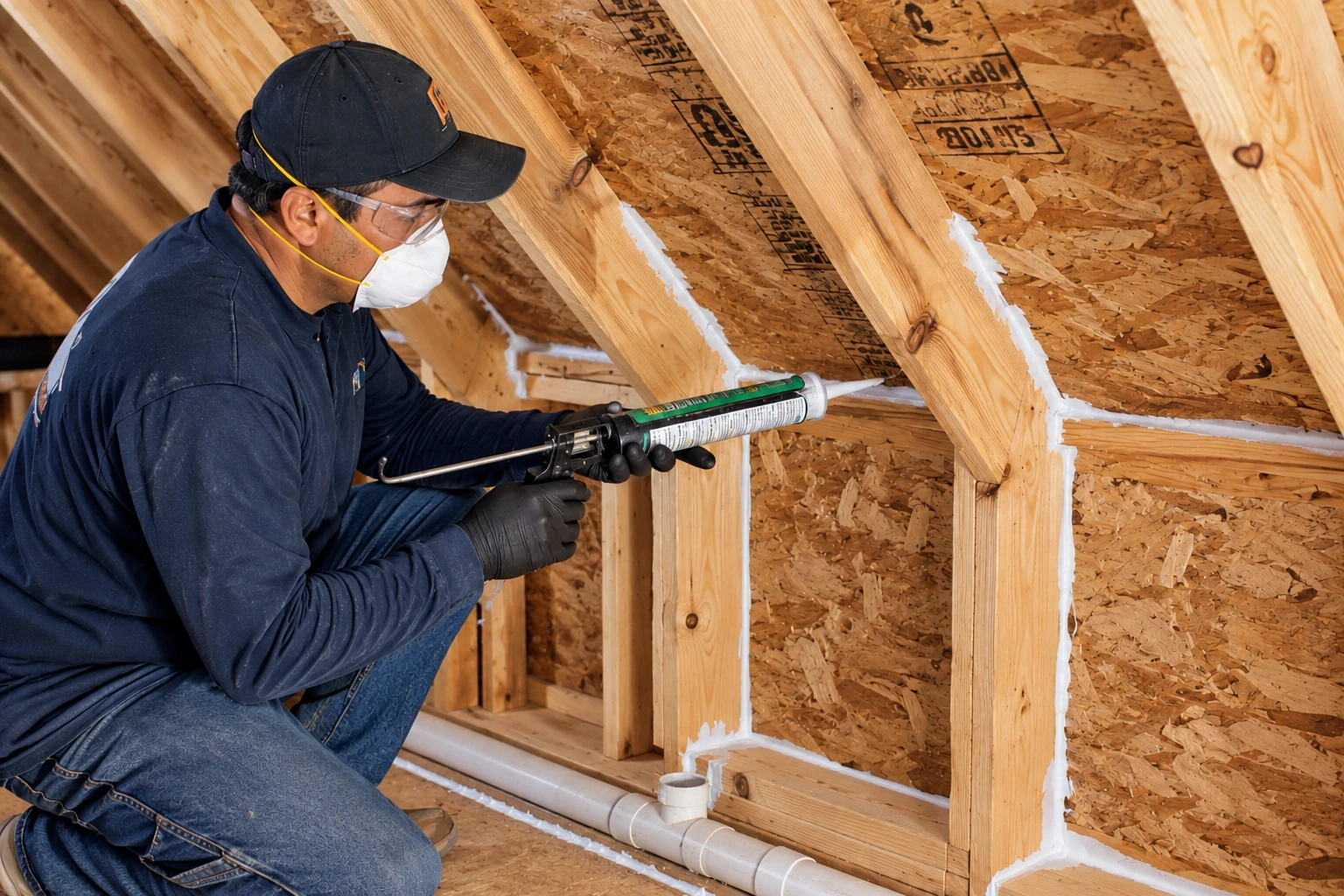
Attic air sealing in Santa Barbara means finding the holes where air moves between your rooms and the attic and plugging them before any new insulation goes on top. It pays off most when it goes after the big holes, because those carry most of the leaking air.
If you're reading this, you've probably got a room that won't stay comfortable or a bill that seems high for the size of the house, and the cause is usually air slipping through gaps you can't see from below. The price turns on how many big openings your attic has, how easy it is to move around up there, whether the old insulation needs a lab test or has to come out, and whether you're adding attic insulation afterward. The schedule turns on those same checks and on any permit your address needs, and the plan I write up after seeing your attic puts your own price and order of work on paper.
How can you tell your attic is leaking air?
Rooms that never feel right
A drafty bedroom, an upstairs that's hot by afternoon or a room over the garage that never matches the rest of the house usually has air coming through gaps at the ceiling or along the tops of the walls. As long as it waits, you're paying to heat and cool air that ends up in the attic.
Gray lines on the ceiling
Faint gray lines around ceiling lights, vents or the edges of a ceiling usually mean air is pulling through there and leaving dust behind. Paint hides it for a while, but the gap keeps leaking until someone seals it from above.
Plenty of insulation, still drafty
If the attic looks well covered and the house still feels drafty, air is usually going around the insulation through holes it was laid over. Adding more on top just buries the gap, and you pay twice when it has to be pulled back to seal.
Often done alongside attic sealing
Retrofit insulation
Older houses that came with little insulation can get more added once the gaps are closed, so the new layer isn't working against a draft.
Spray foam insulation
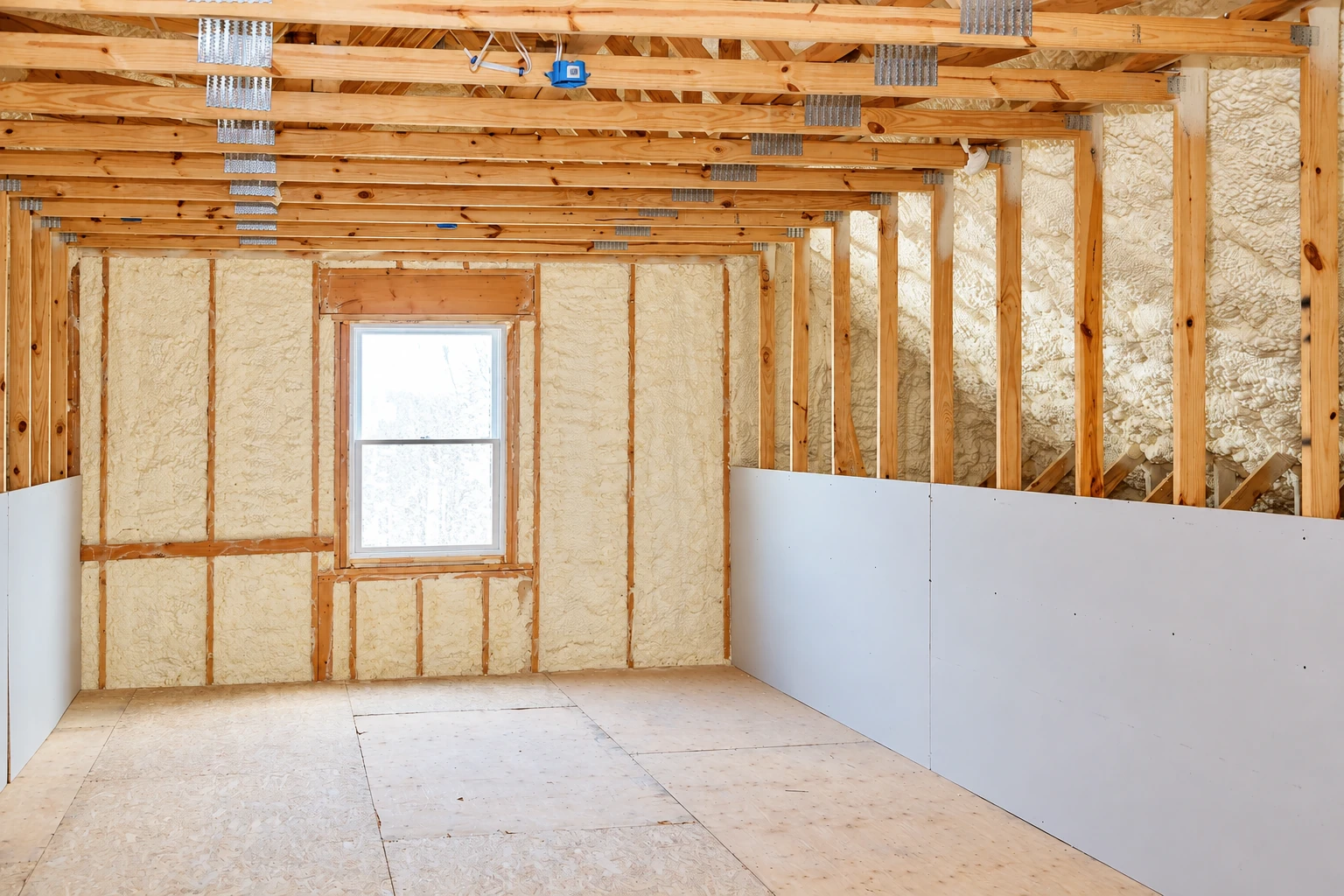
When your ducts run through the attic, foam seals and insulates in one coat, which can be worth its higher price.
How we handle attic air sealing
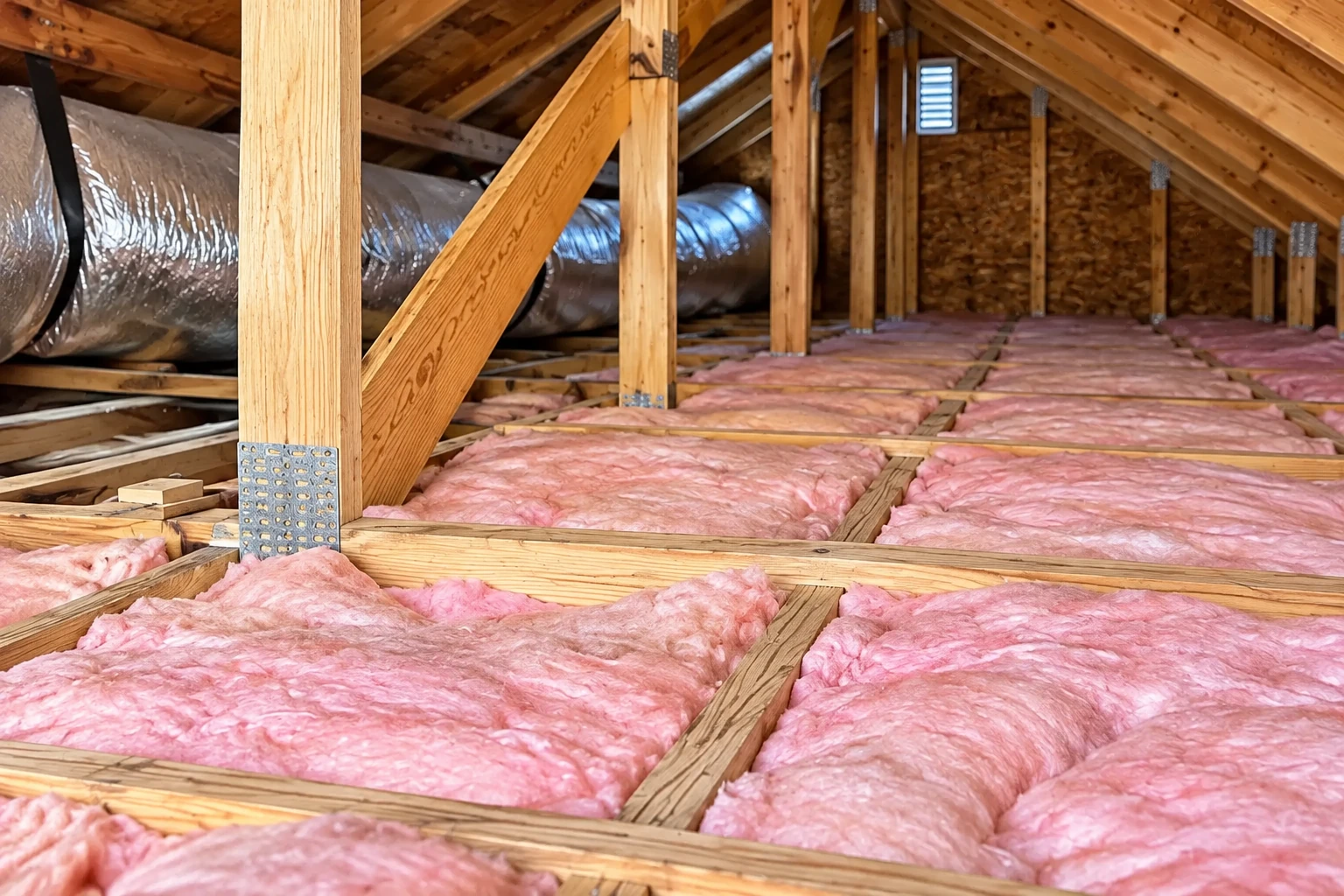
Before anyone seals a thing, I want to know the old insulation is safe to move, which the questions below cover, and that any gas appliances are accounted for, since the trade's standard for this kind of work calls for a safety check of every fuel-burning appliance before and after a job that tightens up the house. Then we go after the big openings first, along the tops of the walls where they meet the attic floor, around dropped ceilings over kitchens and halls, and behind knee walls, the short walls in a finished attic room. We also look for dirty patches in the insulation, because those show where air has been slipping through, and once a gap is closed we lay the insulation back evenly so the edges aren't thinner than the middle and the eave vents stay clear for the attic to breathe.
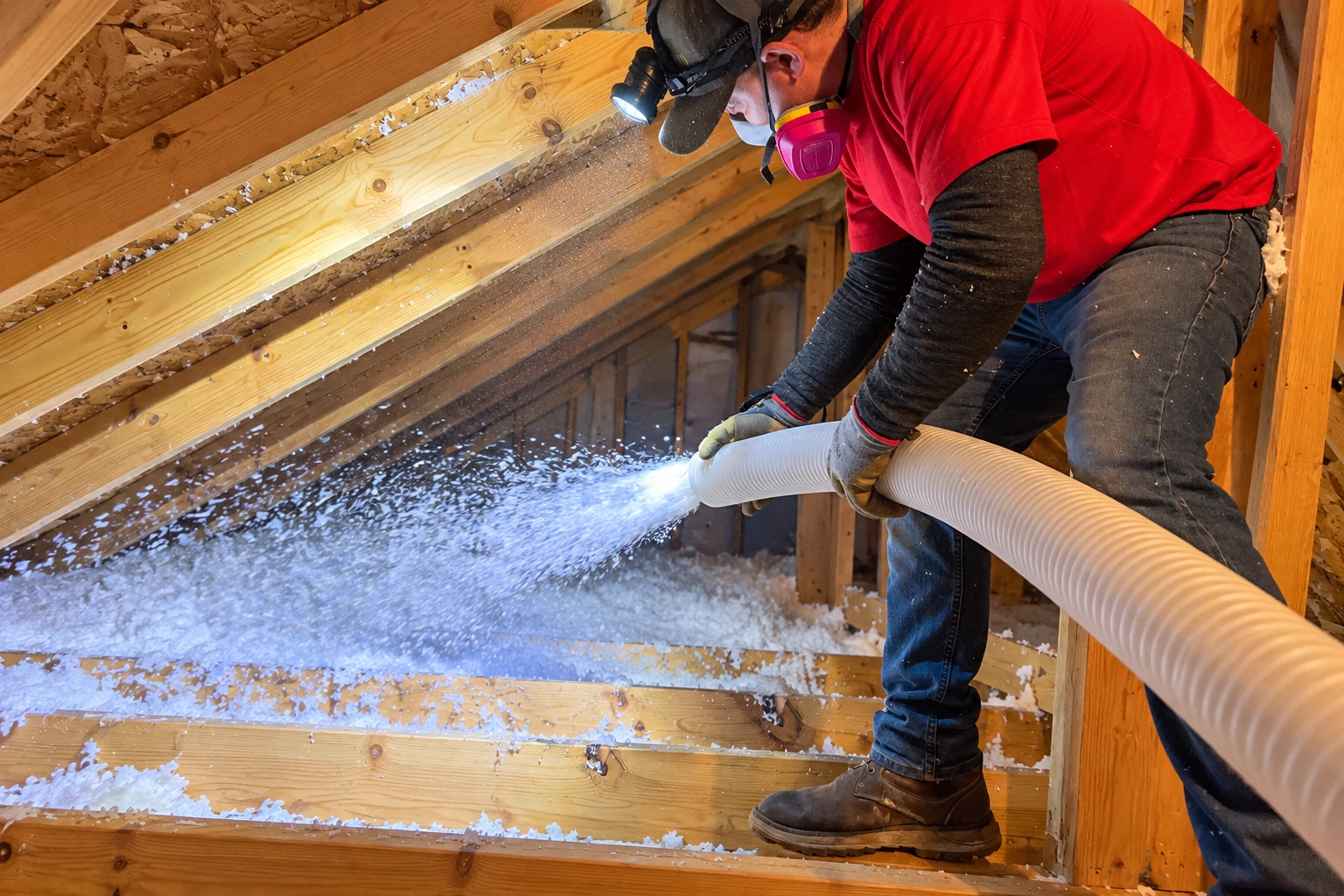
Sealing usually goes hand in hand with more insulation. In an older house that's short on it, retrofit insulation goes in after the gaps are closed, so it can do its job. Spray foam insulation costs more and seals the air while it insulates, but sealing the gaps and topping up loose fill usually wins, unless your ductwork lives in the attic, and then foam often earns its price.
Sealing on its own
This suits an attic whose insulation is clean and deep enough already. We pull it back, seal underneath and lay it back where it was, so you're not paying for material you don't need.
Sealing before more insulation
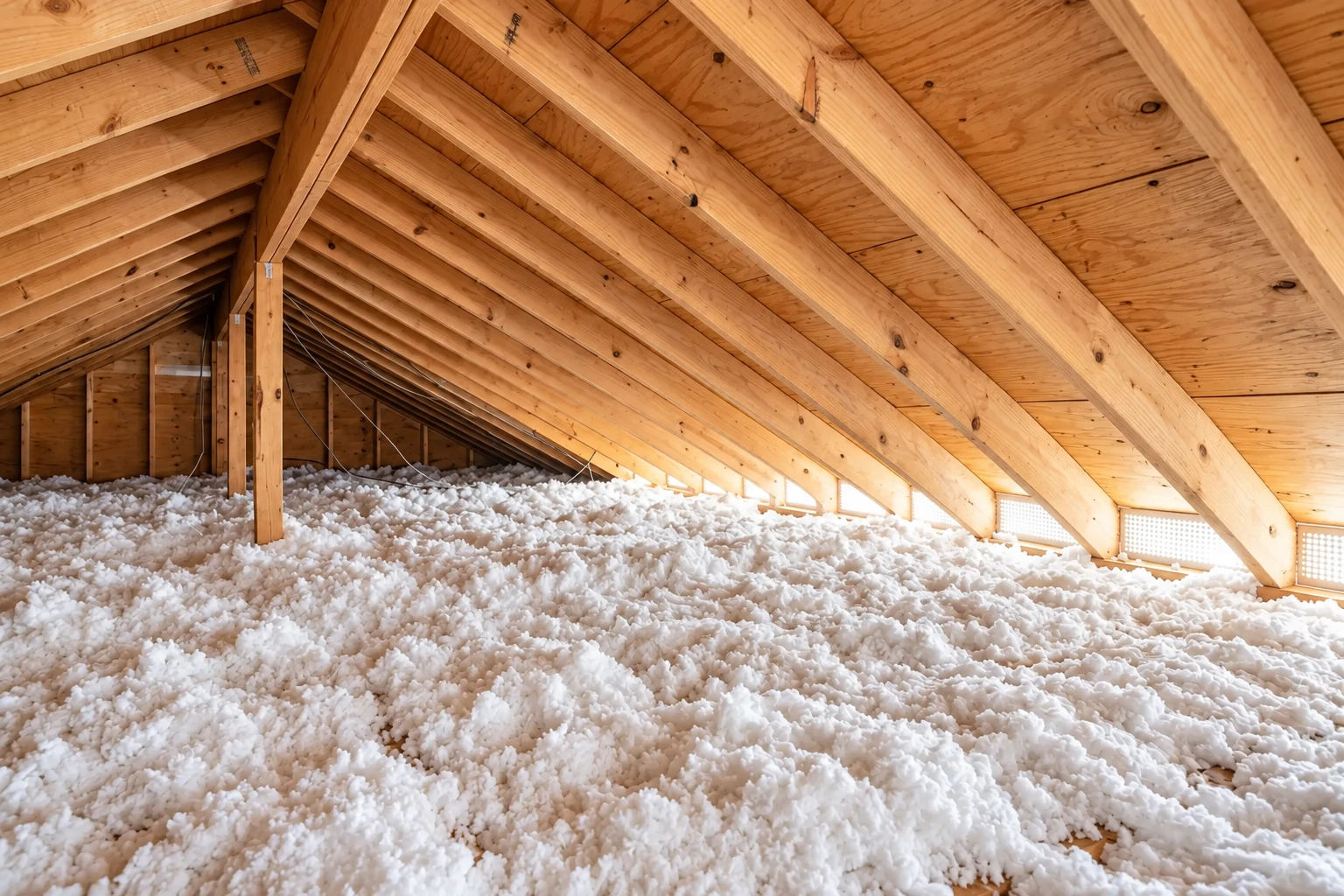
This suits an older or thinly covered attic, where blown-in insulation, loose fill blown through a hose, is going on afterward. Sealing first means the new layer isn't fighting a draft from day one.
Get a sealing plan for your attic
Send the form and we'll reply within one business day to set a time for me to come out. The estimate is free, there's no pressure to book, and a call works too.
Call (805) 284-9538Why Santa Barbara homeowners call Santa Barbara Insulation & Spray Foam to seal their attics
I come out for the estimate
I do the first look and the estimate myself, and our installers do the work. I come back afterward to walk the finished attic with you, so the person who planned it is the one checking it.
Testing and sealing in order
I learned this trade after years of running a busy company's schedule, and we've been in business since 2017. Testing comes before sealing and sealing before insulation, because anything laid over a leak or an untested problem just has to come back out.
The right permit office, checked first
Before we book, we check whether your address falls under the city, the county or the university, since each one handles its own permits. When a permit is needed, we apply for it and set up the inspections.
Licensed and insured in California
We're fully licensed and insured. Attic work means people moving over your ceilings, so you shouldn't be the one carrying that risk.
On an attic, the order of the work matters more than anything, so the first step is getting me up there to look. Set up a visit or call (805) 284-9538.
What happens after you call about sealing your attic?
Call or send the form
You call or send the form, and we get back to you to set a time for my visit. Tell us then about anything you've noticed, like a cold room or lines on a ceiling.
I look at your attic
I go up, find the big openings, look at the old insulation and the appliances, and note anything that has to be fixed first. You get a written plan with the order of work and a price, and nothing starts until you say yes.
We sort out permits and booking
Once you say yes, we handle any permit and book the work in the right order. If inspections are part of it, I tell you how they fit your schedule.
We seal, then walk through
Our installers seal the attic and lay the insulation back as they go. I come back to walk the finished job with you and show you each spot that was closed.
Common questions
How much does attic air sealing cost in Santa Barbara?
There's no single number, because the price depends on how many big openings your attic has, how easy it is to move around up there and whether the old insulation has to be tested or pulled out first. Sealing around flues with metal and fire-rated caulk, or choosing foam over loose fill, adds to it. You'll see the price for your attic once I've been up there.
How do I know if my old attic insulation is safe to disturb?
If it looks like light, flaky gray pebbles about the size of a pea, it may be vermiculite, which can contain asbestos, so an approved lab has to test it before anyone touches it. It stays in place until the test shows no asbestos. If I see anything like it at the visit, testing goes first in your plan.
Do I need a permit for attic air sealing in Santa Barbara?
It can, because the city's Building Counter & Plan Review issues permits for work that alters, repairs or improves a building. That office is the place to ask about your address, and checking it is part of what we do before booking.
Who is allowed to do attic air sealing in California?
A contractor licensed by the state for insulation work, since the state license board's insulation class covers installing any material meant to control heat or sound. Even a job under $1,000 needs a licensed contractor when it's subject to a permit of any kind, and that holds when an unlicensed person hires helpers to do it.
How do I know if attic air sealing worked?
A blower door test, a big fan set in an outside door that pulls air through the house so leaks show up, can help show whether the duct and flue openings to the attic were sealed when it's run as part of a whole-house energy test. You can ask whether a job ends with one, and we can talk through whether it makes sense for your house at the estimate.
Is it safe to seal around a furnace or water heater flue in the attic?
Yes, when it's done with fire-rated caulk and a rated collar or sheet metal cut to fit, with clearance kept between the flue and anything that can burn. Open shafts around ducts can be closed with board like drywall or plywood, but a flue shaft needs something that handles heat, such as sheet metal.
Ask for your attic sealing estimate
Call (805) 284-9538 or use the form, and if you've seen flaky gray insulation up there or have a gas furnace or water heater, mention it so I come ready to plan around it.