Home insulation in Santa Barbara CA - rooms that hold warmth and stay quieter
Drafty rooms, a hot upstairs or a power bill that keeps climbing? We seal the gaps first, then insulate where it helps most.
- Fully licensed and insured.
- Free in-person estimates.
- We reply within 1 business day.
Where do I start with insulating my house in Santa Barbara?
Home insulation is the work of sealing the gaps in your ceilings, walls and floors and then adding insulation there, so your rooms hold their warmth or cool and stay quieter. At Santa Barbara Insulation & Spray Foam, we plan home insulation in Santa Barbara as one job, done in the order your house needs.
Most calls start with one drafty room or a tired old attic, and the real question is which part of the house to do first. The price moves with how much space we're covering, how easy the attic is to get into, how much sealing it needs and whether old material has to come out first through insulation removal. The schedule turns on anything that has to be fixed or tested before insulation goes in, like a roof leak, and on whether a permit is part of the job. The estimate gives you a written plan with the order of the work and the price for your house.
How do you know your house needs better insulation?
Drafts near outlets and baseboards
You feel moving air near outlets, baseboards or the attic hatch. That usually means gaps nobody sealed, and as long as they stay open, your heater and AC keep working against outside air.
The room over the garage
One room runs hot or cold no matter what the thermostat says, often upstairs or over the garage. Usually the insulation there is thin, thin at the edges or was never put in, and putting it off means living around that room another season.
Cold floors downstairs
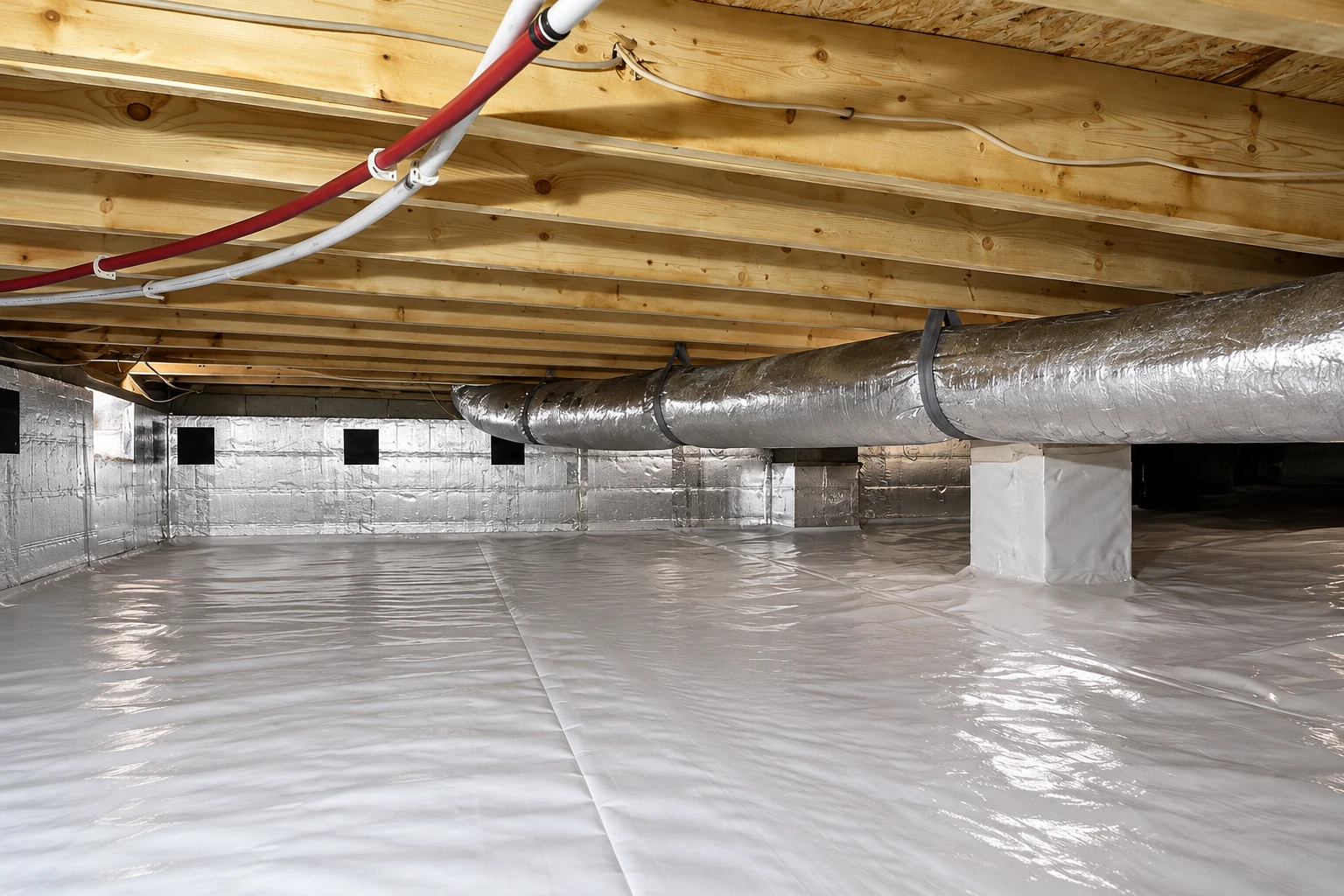
The floors feel cold underfoot, most often in a house built over a crawl space. The floor above it usually has little insulation and open gaps, so the chill keeps coming up until someone seals and insulates underneath.
Flat or stained attic insulation
Looking through the hatch, you see insulation that's packed down, stained or full of droppings. That usually points to an old leak or pests, and laying new material over it just keeps the problem in your attic.
Work that often comes with it
Insulation removal
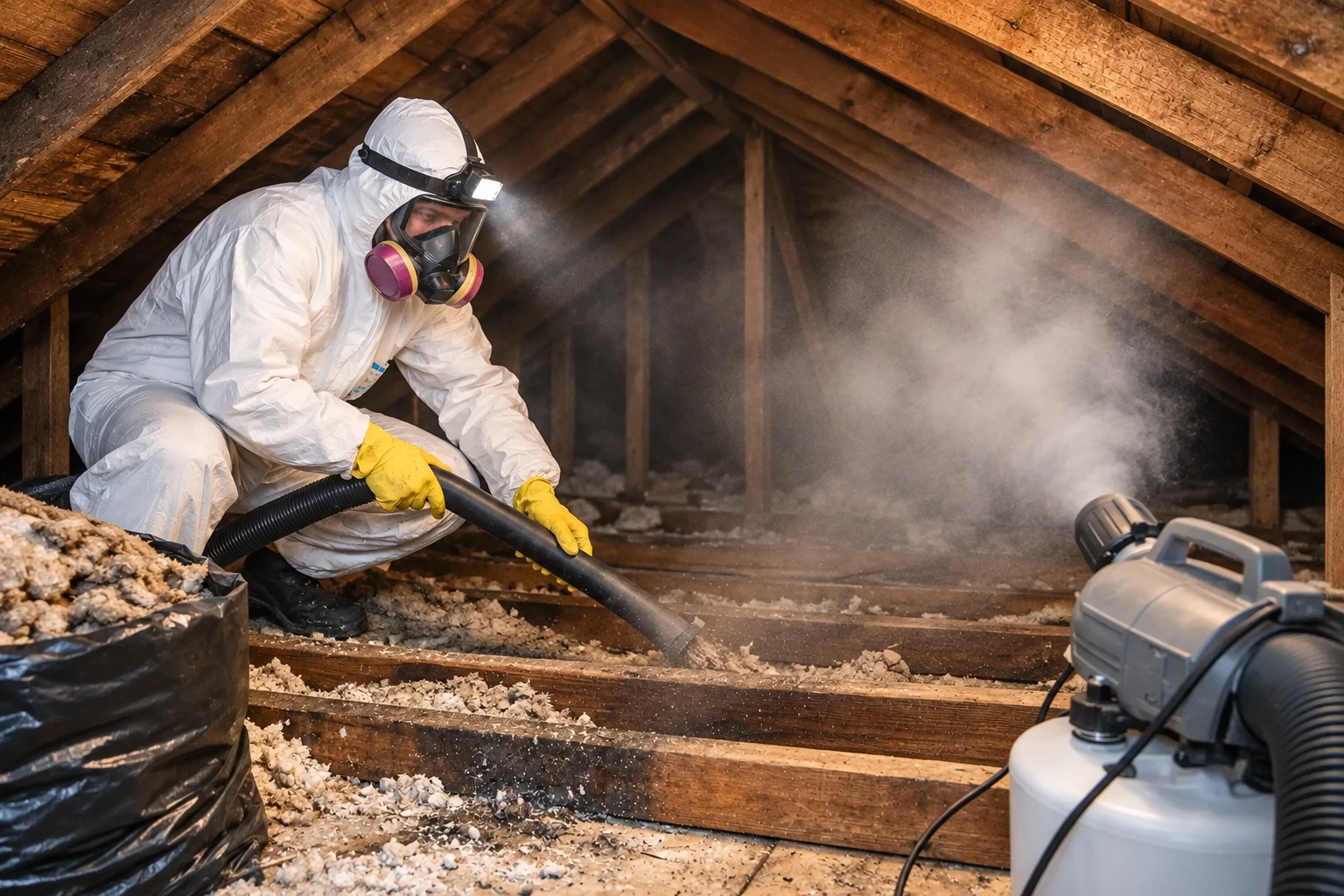
When what's already up there is wet, dirty or crushed flat, taking it out lets everything after it do its job.
Crawl space insulation
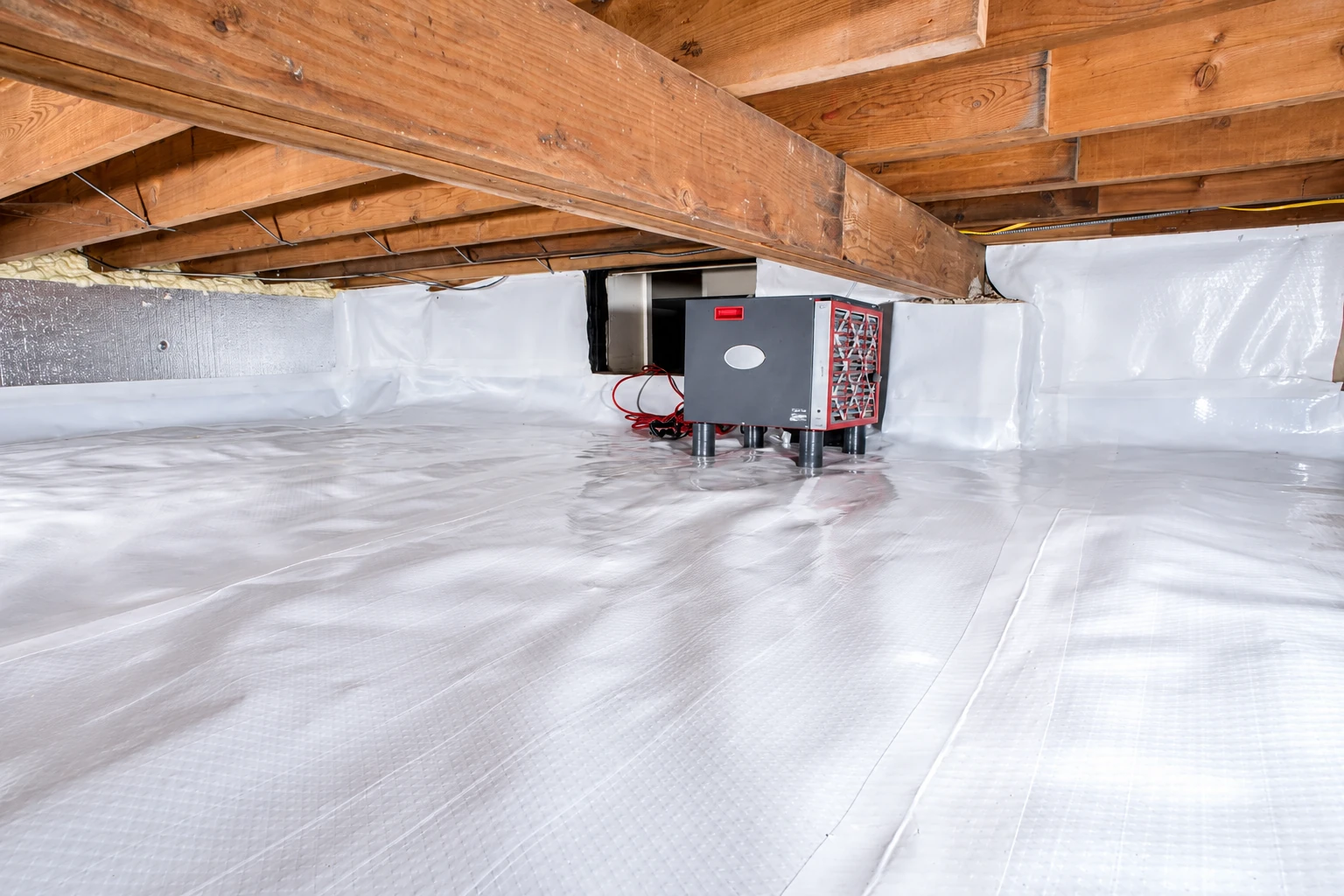
Houses over a crawl space often lose comfort through the floor, and that space gets its own sealing and insulating.
How we handle home insulation, start to finish
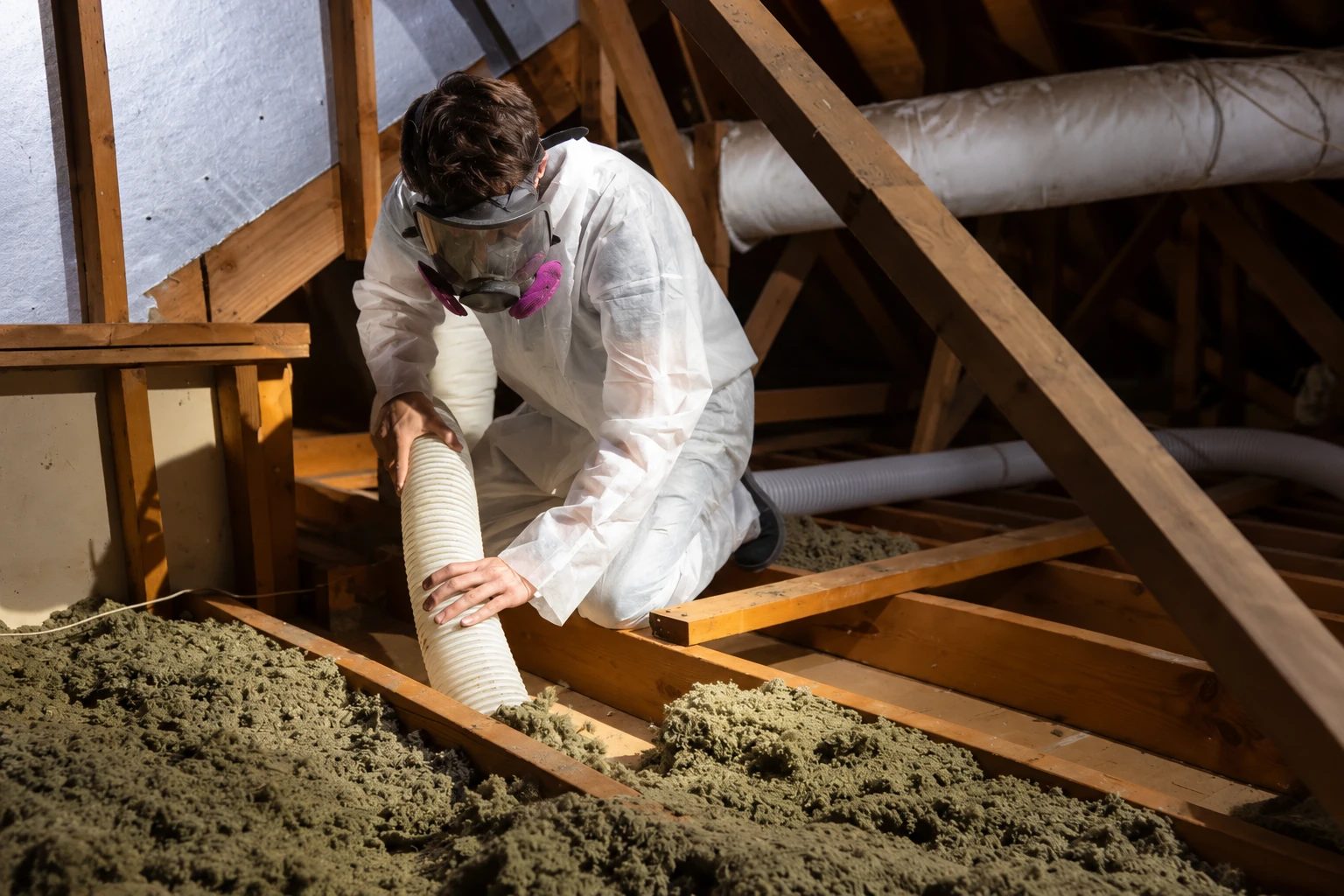
When you're not sure where to start, I look at the attic, the walls and the floors together and lay out which step comes first and why, so your money goes where it helps most. On the job, we fix whatever has to come first, then our crew seals the gaps around can lights, pipes, wires and the attic hatch so the new insulation isn't fighting a draft. We keep the eave vents clear so the attic can still breathe, add insulation evenly all the way out to the edges, where it usually runs thin, and clean up before we leave.
Some houses need a step before or after that. If the old material is soaked, moldy or full of droppings, insulation removal clears it out so the new layer starts clean. If the cold is coming up through the floor, crawl space insulation takes care of the underside of the house.
Air sealing and a blown-in top-up
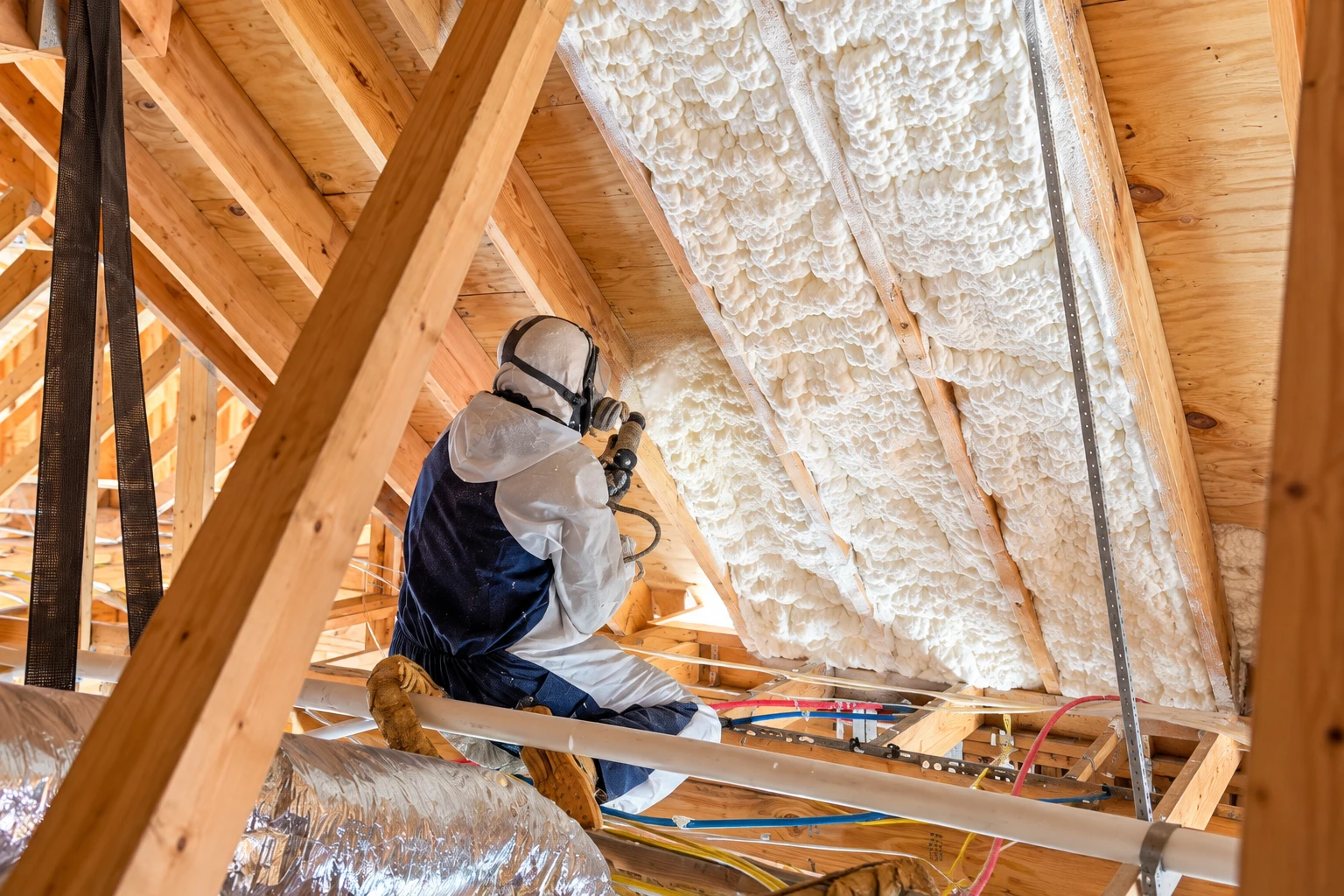
This suits most attics that already have some insulation and reasonable access. We seal the ceiling, then add blown-in, loose fill blown through a hose, and for most houses that's the better use of the money.
Spray foam where ducts run overhead
Foam costs more, but it seals air and insulates in the same layer. I'd pick it when your ductwork lives in the attic, because the ducts then sit inside a sealed space instead of a drafty one.
Removal, then a clean start
This fits attics where the old insulation is soaked, stained, full of droppings or flattened out. Taking it out first costs more up front, but it keeps the new work from carrying the old problem.
Get a home insulation plan for your house
Send the form and we reply within 1 business day to set up a free in-person estimate, with no pressure to book. You can also call (805) 284-9538.
Call (805) 284-9538Why Santa Barbara homeowners call Santa Barbara Insulation & Spray Foam for home insulation
The owner comes out first
I do the first look and the estimate myself, and our installers do the work. I come back afterward to walk the finished job with you, so the person who made the plan is the one who checks it.
Planning jobs here since 2017
We started this business in Santa Barbara in 2017, and people know us for doing each job in the right order. That matters because insulation laid over a leak or an untested problem just has to come back out.
Licensed and insured for every job
California has a license classification for contractors who install insulation for heat or sound control, so it's fair to ask any contractor about theirs. We're fully licensed and insured, and the work on your house is covered.
We know which office covers you
We're based in Santa Barbara and work across the cities around it, including Goleta, Montecito, Carpinteria, Isla Vista and Ventura. Before we book, we check whether your address falls under a city, the county or the university, so any permit goes to the right place.
On this job the order is what counts, so tell us about your house and we'll start with what has to come first.
What happens after you call about insulating your house?
You call or send the form
Call (805) 284-9538 or send the form, and we get back to you to set a time for the visit. Tell us which rooms bother you and how you get into the attic, since that helps me plan the look.
I look over the house
I come out, check the attic, walls and floors, and note anything that has to be fixed first, like a roof leak or old vermiculite that needs a lab test. You get a written plan that shows the order of the work, along with the estimate.
We sort permits and booking
Once you say yes, we take care of any permit and book the work in the right order, with repairs and testing ahead of insulation. If inspections are part of it, I'll tell you how they fit your schedule.
We finish and walk through
Our installers do the work and clean up, then I come back and go through the finished job with you. The work is backed by our satisfaction guarantee.
Common questions
How much does home insulation cost in Santa Barbara?
Installing blown-in attic insulation across the US usually costs about $4 to $7.50 per square foot, and that's the going rate for the work, not our quote. Your price moves with the attic's size and access, how much sealing comes first and whether old material has to come out. If your home gets gas and electric from any mix of PG&E, SCE and SoCalGas, the county's 3C-REN program lists insulation among the work its 2025 single-family program covers, so it's worth asking about. Our in-person estimate gives you the figure for your own house.
Do I need a permit to insulate my house in Santa Barbara?
Ask before work starts, because the City of Santa Barbara generally requires a building permit whenever you alter, replace, repair or improve a building. California's Energy Code also sets efficiency rules for changes to existing homes, not only new ones. You can get information about the process at the city's Building and Safety Counter at 630 Garden St.
Why should I seal air leaks before insulating my attic?
Because money spent on insulation can go to waste if the holes and gaps in your ceilings, walls and foundation aren't sealed first. Air moving through a gap carries heat right past the insulation, which is why a room can stay drafty even with a deep layer overhead.
What should I do if my attic has vermiculite insulation?
Leave it alone until an approved lab tests it, because vermiculite can contain asbestos. It looks like pea-size, flaky gray pebbles, usually lying loose between the ceiling joists. If you think you see it, mention it when you call, and we'll plan the test before any attic work begins.
How do I know if my attic needs repairs before new insulation?
Look for damp insulation, moldy rafters, very little ventilation, old knob and tube wiring, or kitchen, bath and dryer vents that blow into the attic instead of outdoors. Damp insulation usually means the roof leaks, so that repair comes first, and recessed lights need clearance from insulation unless they're rated IC, built for an insulated ceiling. None of this stops the job. It just goes first in the plan.
What is the best way to insulate a house over a crawl space?
Seal the floor and the floor joists thoroughly first, then fit insulation to the underside of the floor so it's in full contact with it. Insulation that sags away from the floor leaves an air gap underneath, and that's usually why cold floors stay cold after a quick job.
Start your home insulation plan with one call
Call (805) 284-9538 or send the form, and if you can, jot down how you get into the attic, whether you have recessed lights and anything that looks like flaky gray vermiculite, so the first visit covers more.