Attic insulation in Santa Barbara CA - upstairs rooms that stay comfortable
Hot upstairs rooms, drafts and a high power bill usually start in the attic. We fix what's wrong up there, seal the gaps, then insulate.
- Fully licensed and insured.
- Free in-person estimates.
- We reply within 1 business day.
Does my attic need more insulation?
Attic insulation in Santa Barbara is a layer of material across your attic that slows heat moving between your rooms and the roof. Your upstairs stays cooler on hot afternoons and holds more of its warmth when it's cold out. Done right, it goes in after the attic's problems are fixed and its gaps are sealed.
Most of my calls start with a hot room upstairs, a drafty hallway or a power bill that keeps creeping up, and the attic is usually where the trouble is. The price turns on how big the attic is, how easy it is to get into, how many inches are already up there and whether anything has to be fixed or pulled out first, like soaked old fill that needs insulation removal. The schedule turns on those same fixes, plus a permit when one's needed. My estimate lays all of it out as a plan, in order, with a price.
How can you tell your attic insulation isn't doing its job?
Upstairs rooms run hot
The rooms under the roof heat up on sunny afternoons and stay warm well into the night. That usually means the layer up there has settled or was thin to begin with, and every summer you wait, the AC runs longer to make up for it.
Joists showing through
If you look through the hatch and see the tops of the ceiling joists, there isn't much left on the attic floor. Heat moves through those bare strips all year, so the power bill stays higher than it needs to be.
Dark, matted or damp spots
Insulation that looks dark, packed down or wet usually points to a roof leak, a vent blowing moist air into the attic or air pulling dust through gaps. Left alone, the damp can work into the framing, and new material laid on top only hides it.
Work that often goes with attic insulation
Blown-in insulation
A good fit when your attic floor is open and the old layer is dry but too thin to do much.
Home insulation
Worth a look when drafts and cold floors show up in other parts of the house, not only upstairs.
How we handle attic insulation, in order
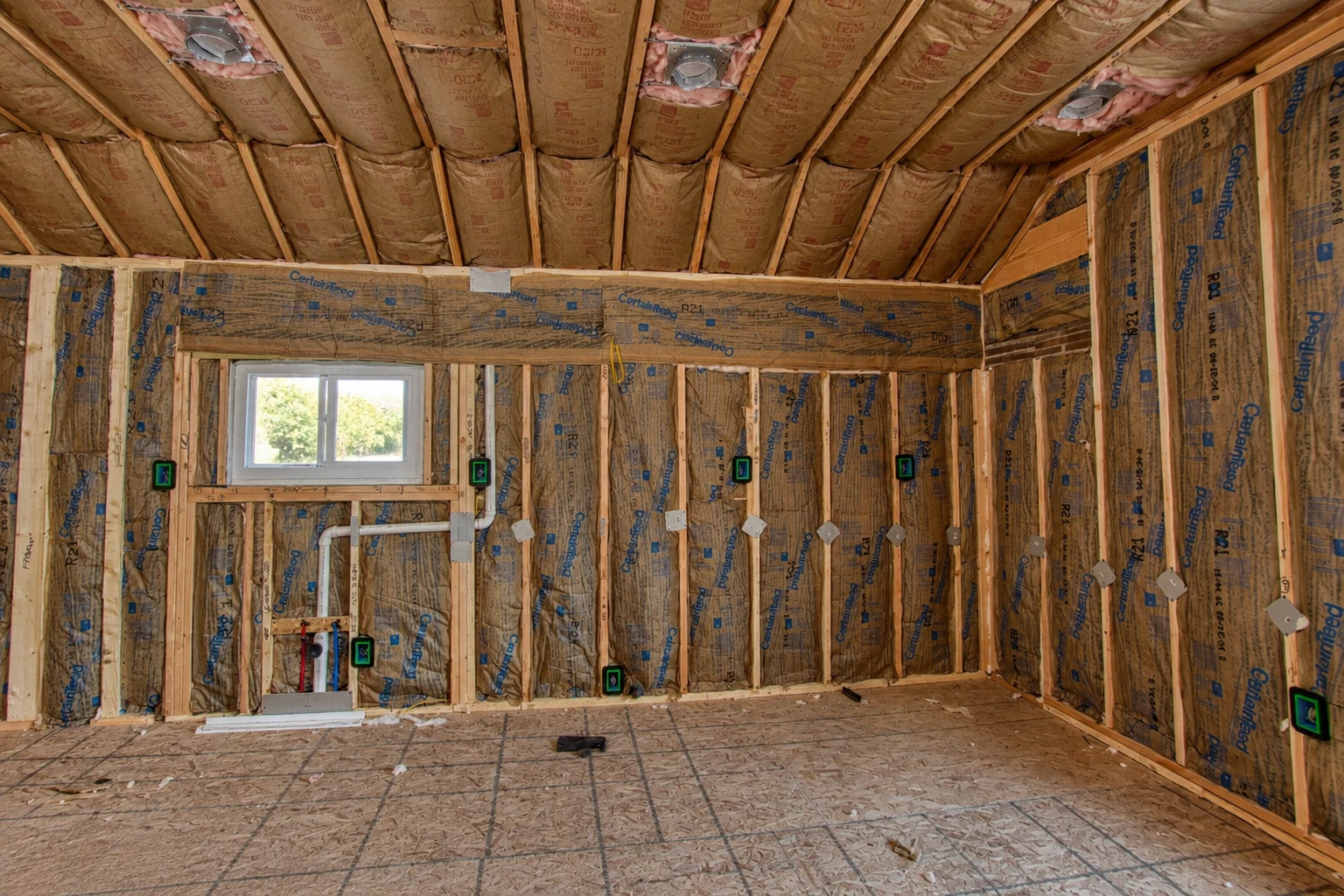
I start by going through the attic for damp spots, old wiring, vents dumping moist air into it and any old loose fill, because those decide the plan before I price anything new. Whatever has to be fixed goes first on the plan, since insulation laid over a leak just has to come back out. Then our crew seals the gaps around lights, pipes and the hatch, keeps the eave vents clear so the attic can still breathe, and keeps insulation off can lights that aren't rated to be covered. Last, we spread the new layer to an even depth all the way out to the edges, where attics are usually thinnest, because R-value, the rating for how well insulation slows heat, only does its job where the layer is full depth.
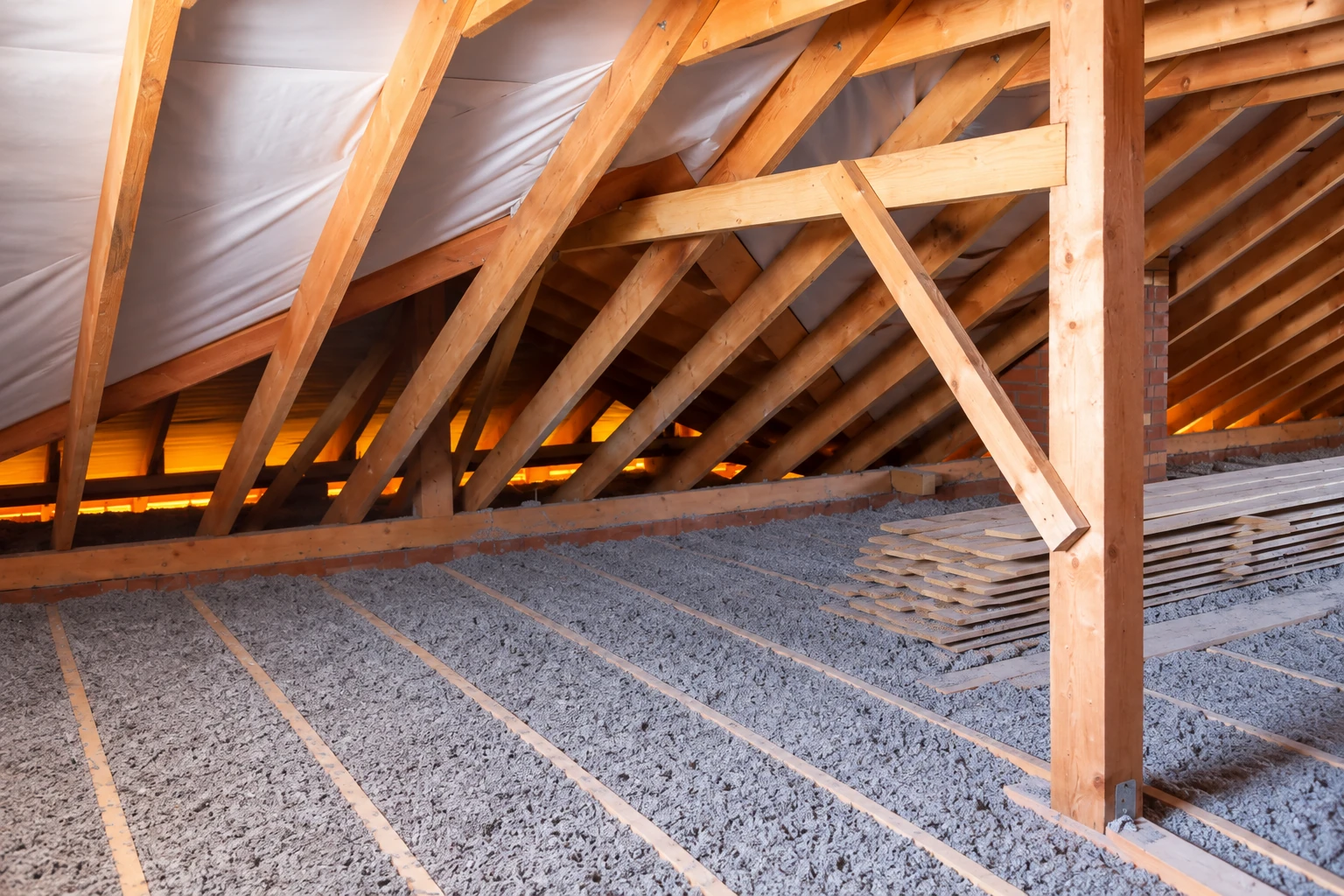
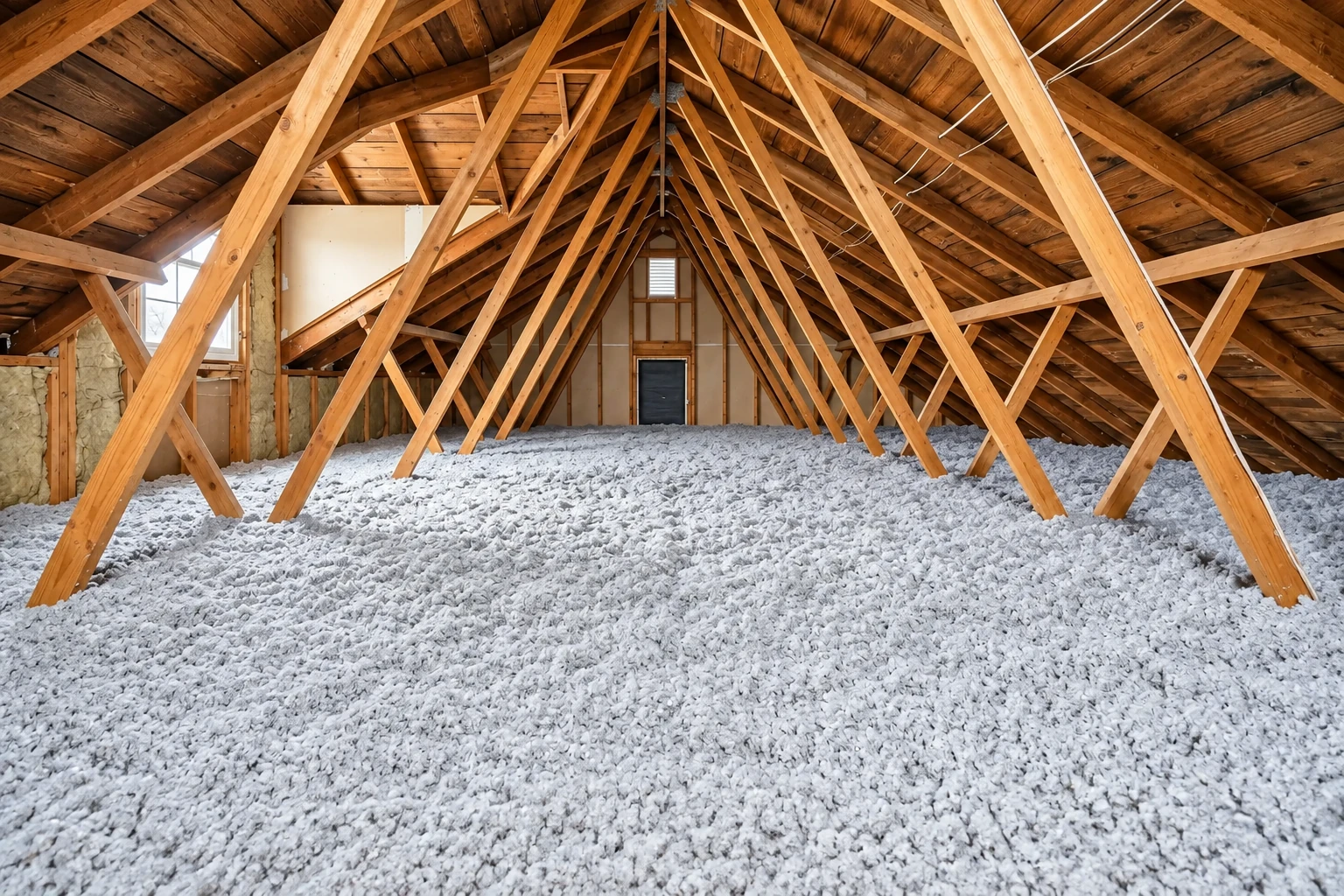
Most attics end up with blown-in insulation, which is loose fill blown through a hose, because it fills around framing and into corners that batts leave open. If the cold floors or the hot room over the garage go beyond the attic, we treat it as home insulation and set one plan for the whole house.
Seal and top up with loose fill
This suits most attics with room to work and no ductwork running through, because sealing the gaps and blowing in loose fill does the job for less than foam. It's what I recommend most often when the old layer is dry and just thin.
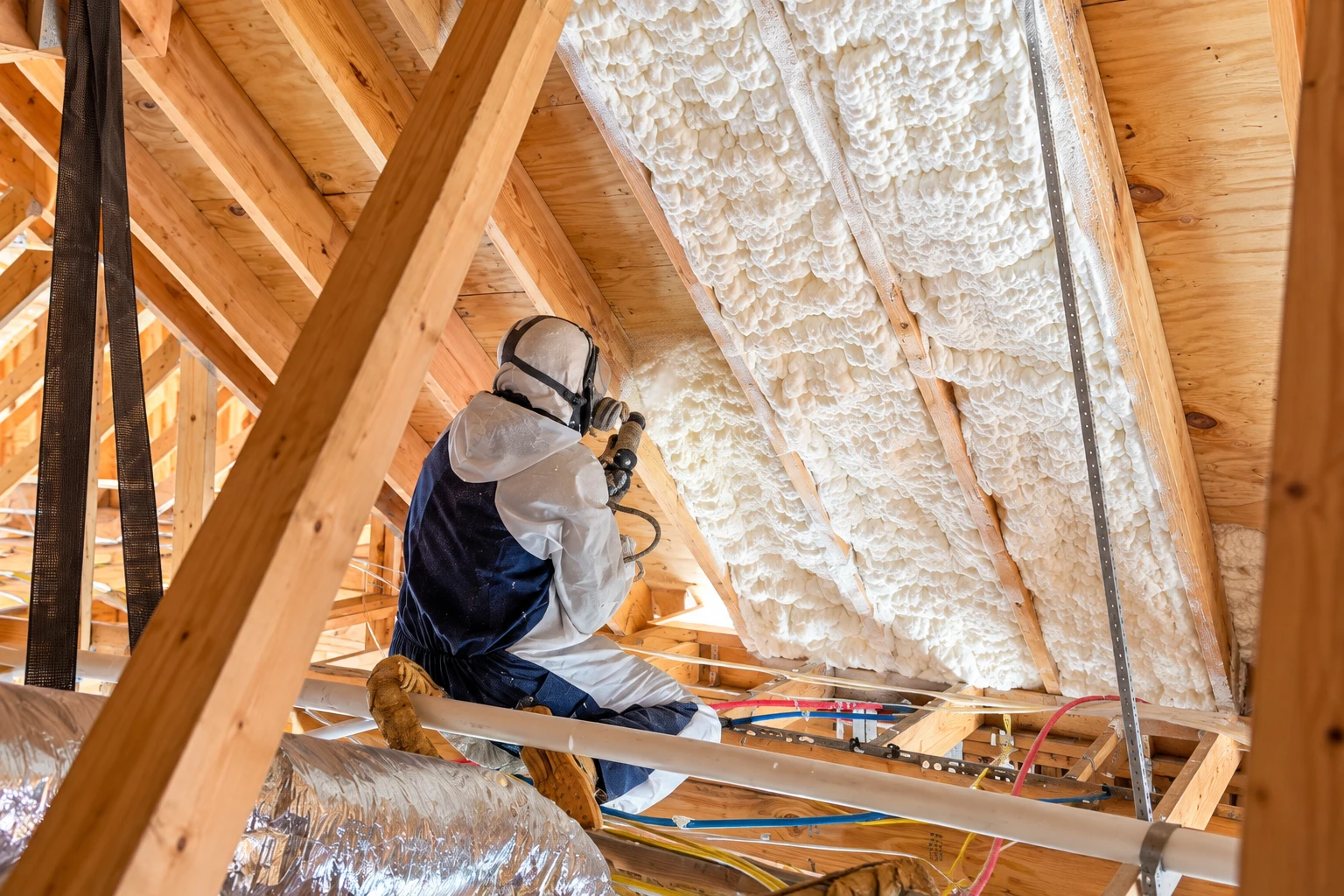
Spray foam under the roof
This suits attics where the ductwork or the furnace lives up there, because foam seals air while it insulates and keeps that equipment out of the heat. It costs more, so I only suggest it when the ducts make it worth it.
Get an attic insulation plan with a free estimate
We'll reply within one business day to set a time for me to come out. The estimate is free, with no pressure to book, and calling (805) 284-9538 works too.
Call (805) 284-9538Why Santa Barbara homeowners call Santa Barbara Insulation & Spray Foam for attic insulation
I do the estimate myself
I come out for the first look and the estimate, and once our installers finish I come back to walk the attic with you. We've been in business since 2017, and I'm happy to answer the same question twice so work day feels familiar instead of rushed.
Fully licensed and insured crew
We're fully licensed and insured, which matters when a crew is working in the space right over your ceilings. The work is backed by our satisfaction guarantee.
We check vent rules first
Many California areas have wildfire rules that call for attic vents tested to resist flames and burning embers, and the state's energy code guide says to check with the building department. When insulation work means changing a vent, we ask the city what your house needs before we order anything.
On this job, the order of the work matters most, so tell me what you've noticed up there and I'll plan from that.
What happens after you call about attic insulation in Santa Barbara?
Call or send the form
Call (805) 284-9538 or send the form, and we'll set a time for me to come out. It helps to mention where your attic hatch is and how easy it is to reach.
I look through the attic
I go through the space and note anything that has to be fixed before new insulation goes in. You get a written plan with the steps in order and a price for each, so you know the cost before anything is booked.
We book it in order
Once you say yes, we sort out any permit and book the fixes first, then the sealing and insulation. We tell you ahead of time which days the crew will be in the attic.
Walk the finished attic
Our installers do the work, and I come back to walk through the finished attic with you. You'll see the sealed gaps, the clear vents and the even depth out to the edges.
Common questions
What is the best way to prepare my attic before adding insulation?
Seal the air leaks first and insulate second, which is the order EPA recommends for attic work. Air moving through gaps carries heat with it, and insulation alone doesn't stop moving air. When you compare estimates, ask whether each one covers both steps.
How do I handle vermiculite insulation in my attic?
Leave it undisturbed and assume it may contain asbestos, which is what EPA says to do with vermiculite. If you decide to have it removed, EPA recommends a trained and accredited asbestos abatement contractor that's separate from the company that assessed it. If I see it on the first look, I'll point it out and we'll plan around it together.
Who issues building permits for attic work in Santa Barbara?
The city's Building Counter & Plan Review issues building permits, which are generally required when you construct, alter, replace, repair or improve a building. Some addresses near the city fall under the county or the university instead, so we check which office covers your house before we book. When a permit is needed, we apply for it, set up the inspections and tell you how they fit your schedule.
How much does blown-in attic insulation cost?
Across the US, installing blown-in attic insulation usually costs about $4 to $7.50 per square foot. That's a national figure for the installed insulation, not our price, and an attic that needs fixes, removal or sealing first will come out differently. My estimate gives you the price for your attic in writing.
What license does an insulation contractor need in California?
California's C-2 Insulation and Acoustical classification covers contractors who install any insulating material for temperature or sound control. That's the classification to ask about when you're comparing contractors for attic work.
Can I add new insulation on top of old insulation in my attic?
Usually yes, if the old insulation is dry and clean, and the new layer doesn't have to be the same type. Loose fill can go over batts and batts can go over loose fill, though batts laid over loose fill should be unfaced, with no paper or foil backing, so check that your estimate says so. Old material that's soaked or full of droppings comes out first.
Get your attic checked before you insulate
Call (805) 284-9538 or send the form and tell us how you get into the attic and whether you've seen damp insulation, vermiculite or old wiring, so I can plan the visit around it.