Retrofit insulation in Santa Barbara CA - an older house that holds its heat
Drafty rooms, a hot upstairs, an attic with almost nothing in it. We fix what's wrong first, then insulate the house you already have.
- Fully licensed and insured.
- Free in-person estimates.
- We reply within 1 business day.
Can you add insulation to an older Santa Barbara house?
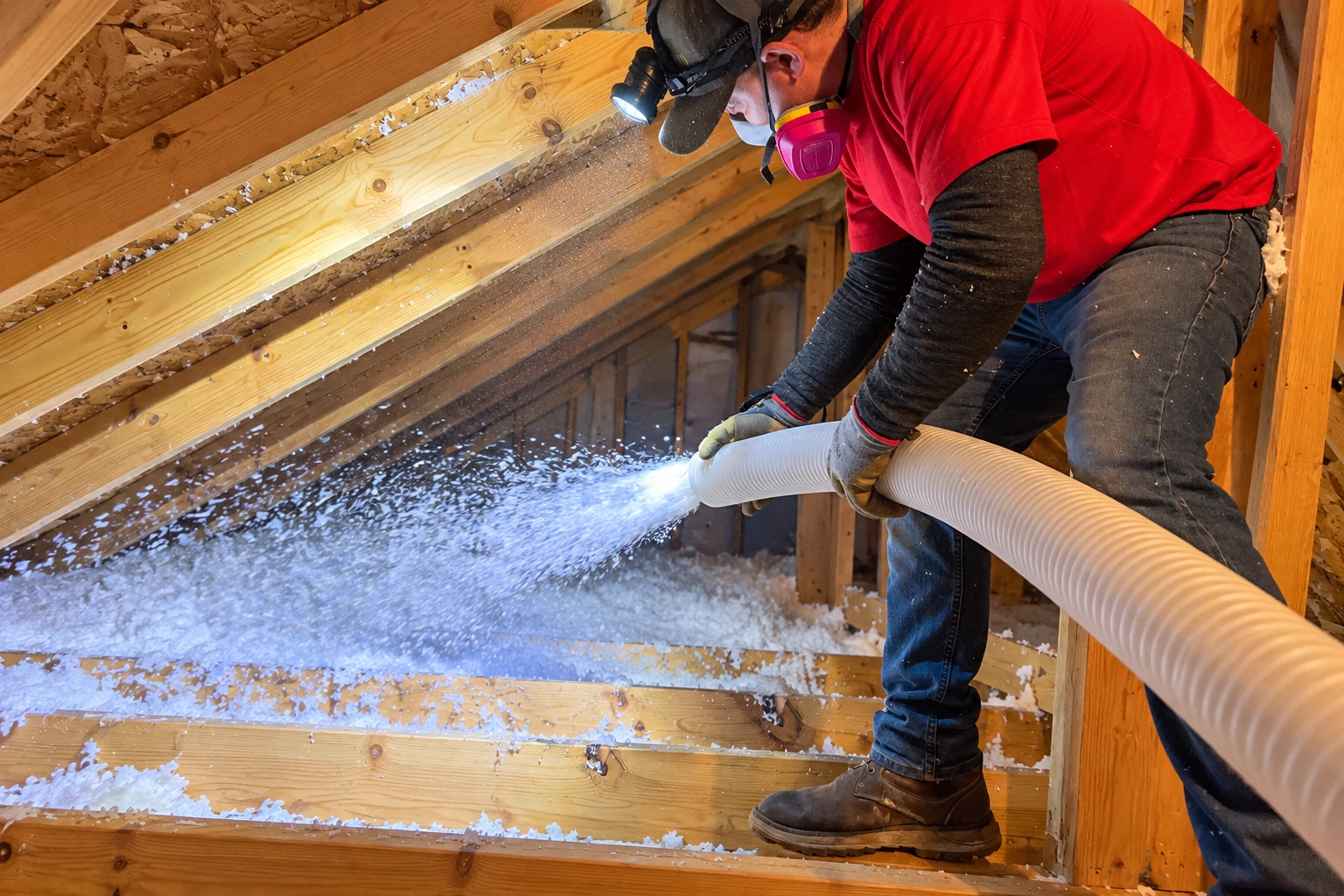
Yes. Retrofit insulation in Santa Barbara means adding insulation to your house as it stands. That's usually blown-in insulation, loose fill blown through a hose across the attic floor, and, where the walls are empty, blown into the wall cavities through small holes, so your rooms stay warmer in winter and the upstairs stays cooler in summer.
Most of the retrofit calls I get are older homes with a few inches of tired fill in the attic and nothing in the walls. The price mostly turns on how big the attic is, whether old material needs insulation removal first, whether there's wiring, mold or pests to deal with, and whether we're doing the walls too. The schedule turns on those same things, because repairs come before insulation, and also on any permit wait. When I come out, the estimate puts your own number on it and lays out the order of the work.
How do you know your older house needs more insulation?
Joists showing in the attic
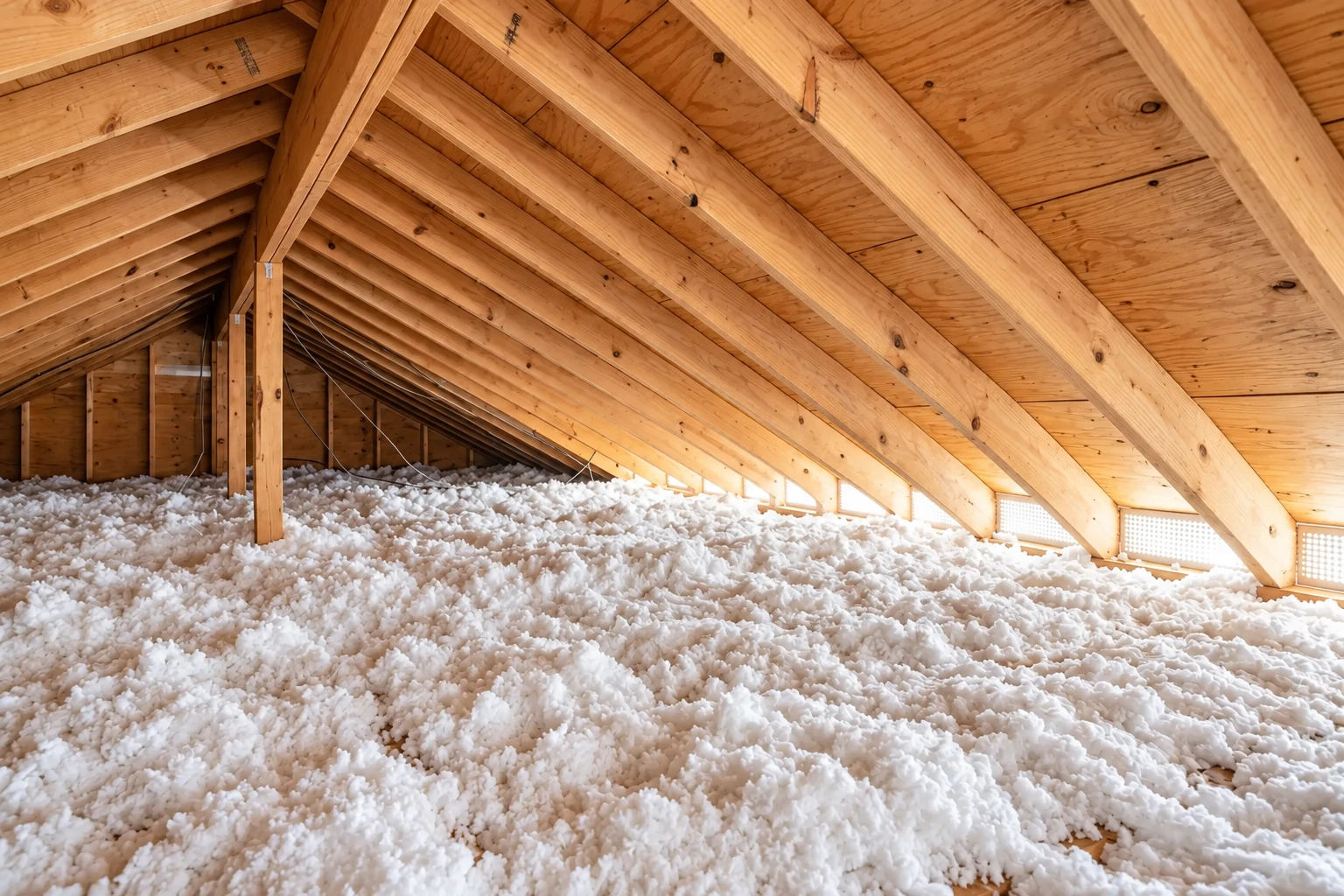
If you open the attic hatch and can see the tops of the ceiling joists, only a thin layer is left, and after decades it's usually settled and dirty. Until that changes, you're heating and cooling the house through the ceiling, which is usually why the upstairs runs hot.
Cold, drafty outside rooms
Rooms along the outside walls feel cold in winter, the room over the garage never matches the rest of the house, and the power bill keeps climbing. In an older home that usually means empty wall cavities and gaps letting air through, and it won't get better if you wait.
Droppings or odd old fill
Droppings, nesting, a musty smell or a gray-brown pebbly fill in the attic mean something has to be dealt with before any new insulation goes in. If it gets covered up instead, the new material has to come back out later, so you pay for the job twice.
Work that often comes with a retrofit
Spray foam insulation
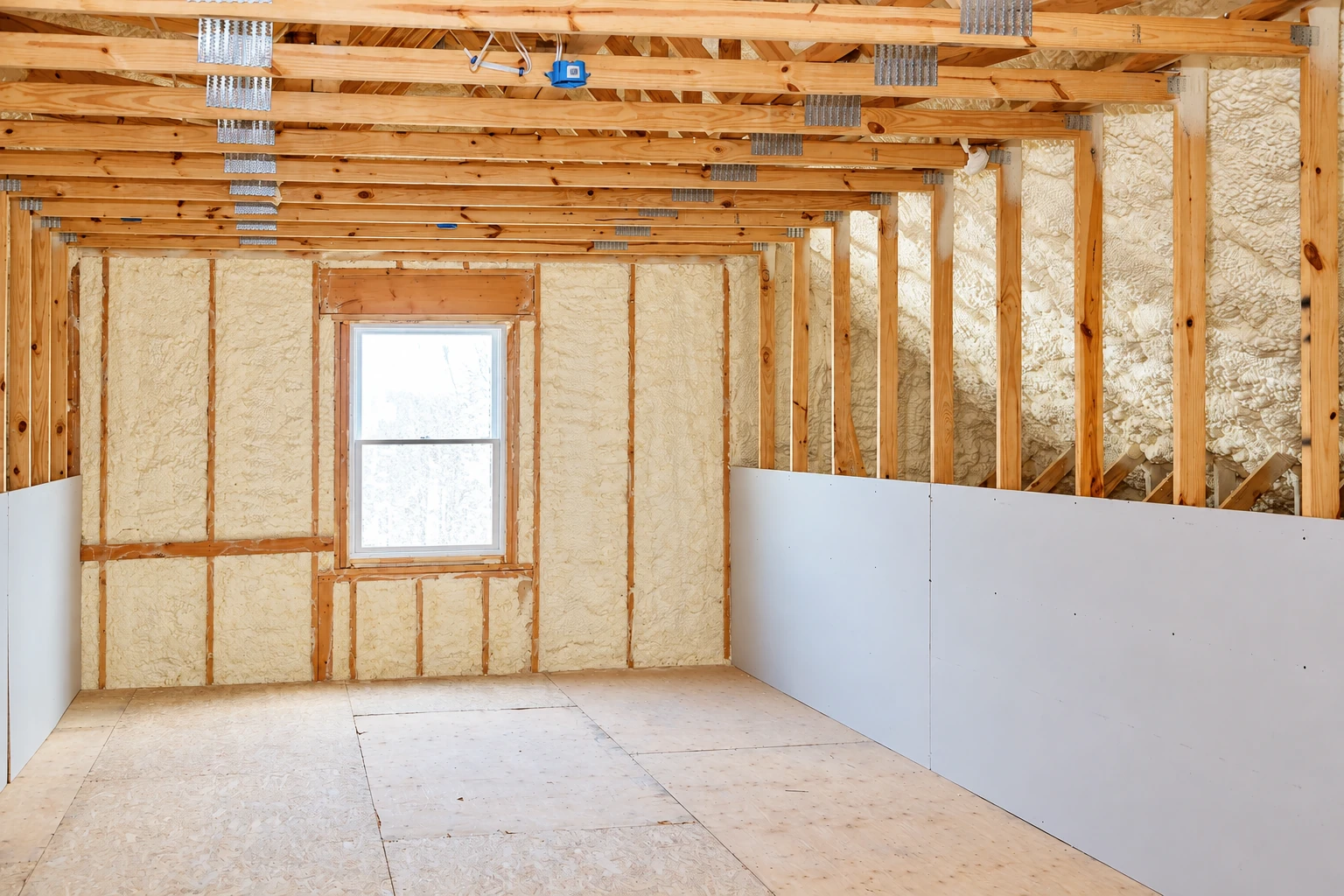
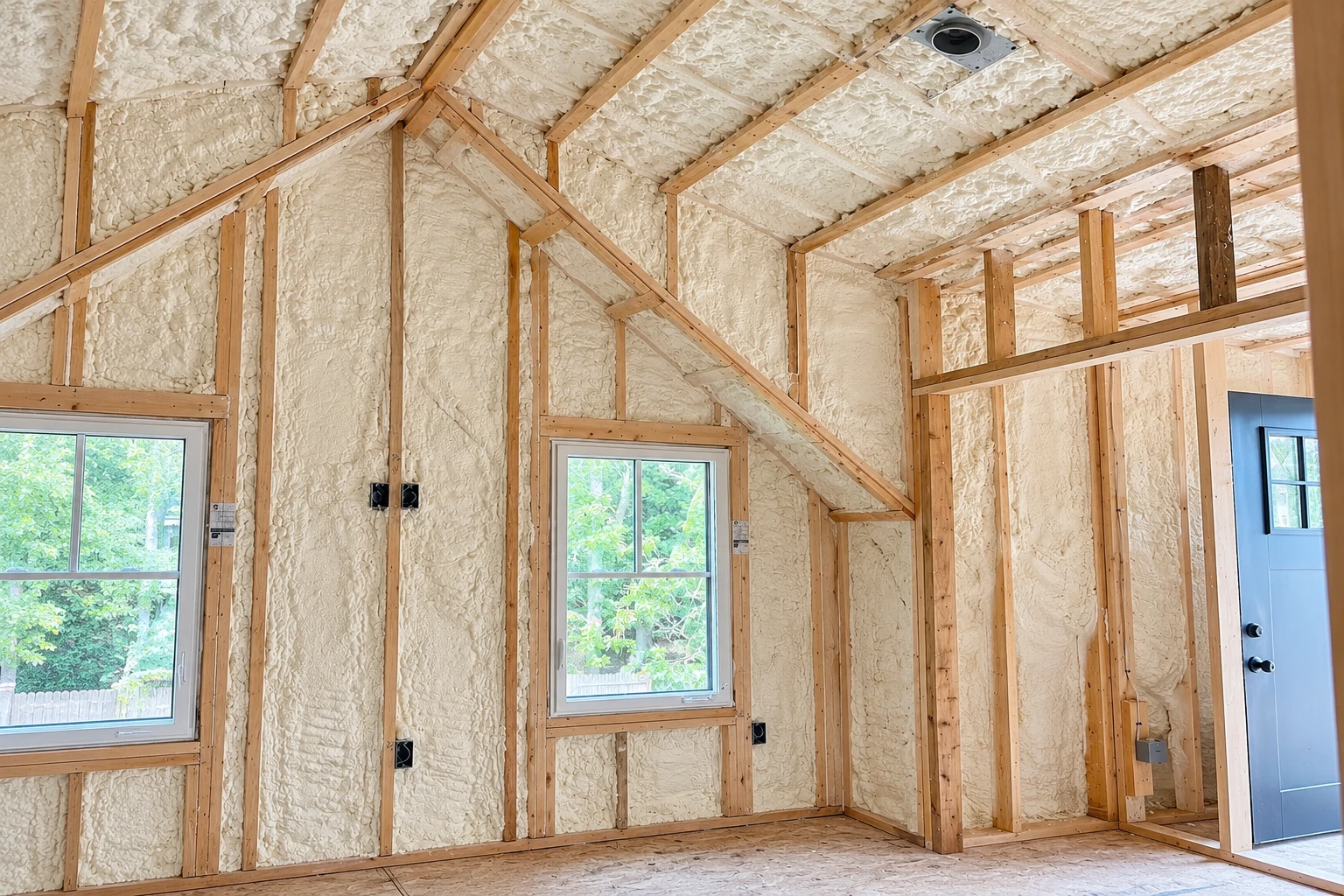
If your ductwork runs through the attic, foam is worth pricing out, because it closes air leaks and insulates in a single layer.
Attic insulation
If your walls are fine and only the attic is thin or worn out, that job can be done on its own.
How we do retrofit insulation, step by step
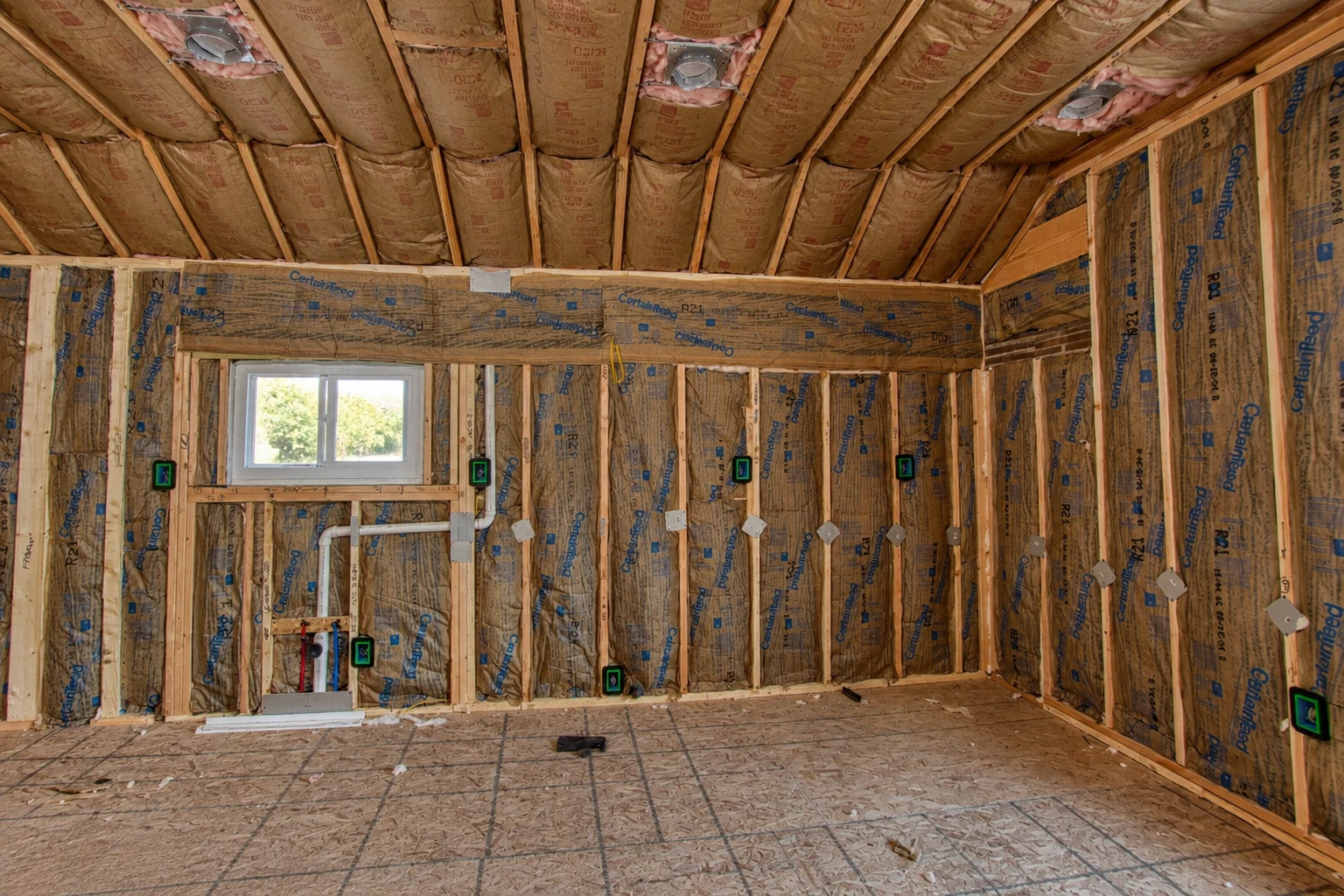
We start with whatever has to be fixed before insulation goes in, because older homes are where old wiring, loose fill and pests turn up. Next our crew does air sealing, closing the gaps around can lights, pipes, wires and the attic hatch before we insulate, so the new layer isn't fighting a draft. Then we blow loose fill across the attic floor, keeping the vents along the eaves clear so the attic can still breathe, and carrying the full depth out to the edges, where coverage usually ends up thin. For empty walls we fill each cavity from inside or outside, whichever suits your house, and when we work from inside, we cover the floors and close off the room to keep dust out of the rest of the house.
In most houses the attic half of a retrofit comes down to attic insulation done in the right order, sealed first and then topped up evenly. Foam costs more, but it seals air while it insulates, so when your ductwork lives up there I'll usually point you toward spray foam insulation instead.
Seal and top up the attic
This suits most older homes with a vented attic and a thin, settled layer up top. Sealing the gaps and blowing in fresh loose fill usually beats foam on cost when there's no ductwork in the attic.
Fill the empty walls
This suits houses whose walls were never insulated, where rooms along the outside walls stay cold. We fill each cavity through small holes and patch them afterward, so your walls stay where they are.
Get a retrofit plan for your attic and walls
We reply within one business day to set up your free on-site estimate, with no pressure to book. If you'd rather talk it through first, call (805) 284-9538.
Call (805) 284-9538Why Santa Barbara homeowners call Santa Barbara Insulation & Spray Foam for retrofits
I do the estimate myself
I come out for the first look and the estimate, our installers do the work, and I come back to walk the finished job with you. You deal with the person who planned your job, so you can ask anything as often as you need to.
In business since 2017
We've been insulating homes since 2017, and most of our calls are drafty rooms and tired old attics like the ones on this page. That means we know where to look first in an older house.
Fully licensed and insured
We're fully licensed and insured. California's Contractors State License Board has its own license class for insulation work, which covers installing any insulating material for heat or sound control.
Permits checked for your address
Before we book, we check which office covers your address, whether that's the city, the county or the university. When a permit is needed, we apply for it, set up the inspections and tell you how it fits your schedule.
If your attic is thin or your walls are empty, send us a few details or call (805) 284-9538, and I'll come out and take a look.
What happens when you call about retrofit insulation in Santa Barbara?
Call or send the form
You call or use the form, and we set a time for me to come out. We take calls into the evening, weekends included.
I look and write a plan
I go through the attic and check the walls, noting anything that has to be fixed first, like old wiring, pests or fill that needs testing. You get a written plan with the order of the work and the price, so you know what each step is for.
We sort permits and booking
The city says all permit applications have been taking longer than usual because of staffing and workload, so when a permit is needed we apply early and build that wait into your start date. Any repairs get booked ahead of the insulation.
Install, then walk the job
Our installers do the work in the order we planned. Then I come back and walk the finished attic and walls with you, so you can see it and ask anything before we leave.
Common questions
How much does retrofit attic insulation cost in Santa Barbara?
Across the US, installing blown-in attic insulation usually costs about $4 to $7.50 per square foot, and that's the going market rate, not our quote. My on-site estimate puts your own figure on it once I've seen what has to happen first. Every job is backed by our satisfaction guarantee.
Do I need a permit to add insulation in Santa Barbara?
You may, because the City of Santa Barbara generally requires a building permit whenever you alter, repair, improve or replace a building. The city's Chief Building Official can exempt some minor work from permits, fees and inspections, but that call is made when an application is submitted, so we don't guess. We check it for your address before we book.
How do I insulate walls in an older house without tearing them open?
Drill and fill is the usual way, with small holes near the top of each wall cavity and blown-in insulation filling the space behind them. Going in from outside cuts through the drainage plane, the water-shedding layer behind your siding, which then has to be patched or replaced, while working from inside leaves it alone. Which side suits your walls depends on access and the shape that layer is in, and I'll explain the choice for your house.
What should be checked in the attic before adding insulation?
Knob and tube wiring, the old wiring strung on porcelain knobs, along with vermiculite, mold and pests, because federal retrofit guidance says each has to be repaired or dealt with before an attic retrofit goes ahead. Vermiculite may contain asbestos, so it has to be tested before attic work starts, and the guidance says to contact the state health department. After that, every opening through the attic floor should be air sealed before insulation goes down.
What is the best way to keep dust down when walls are insulated from inside?
Protect the floor below the wall and put up an enclosure around the work, which is what the Department of Energy's job aid for blowing walls from inside calls for. It's fair to ask any crew how they'll keep dust out of rooms you're still living in, and how we do it is in the section on our work above.
Should I insulate the attic or the walls first in an older home?
Usually the attic, because many older homes have little insulation up there and it's the easiest space to reach. Walls make sense next if rooms along the outside walls still feel cold or drafty, and I'll look at both on the first visit so you can decide with the whole house in view.
Tell us what's up in your attic
When you call (805) 284-9538 or send the form, mention whether your attic has vents and whether you've seen gray pebbly fill, old knob and tube wiring, mold or droppings, so I can plan the first visit around it.